

Mr. Ramesh Shivanna
Chief Technical Officer
Nithin Sai Renewables Pvt. Ltd.
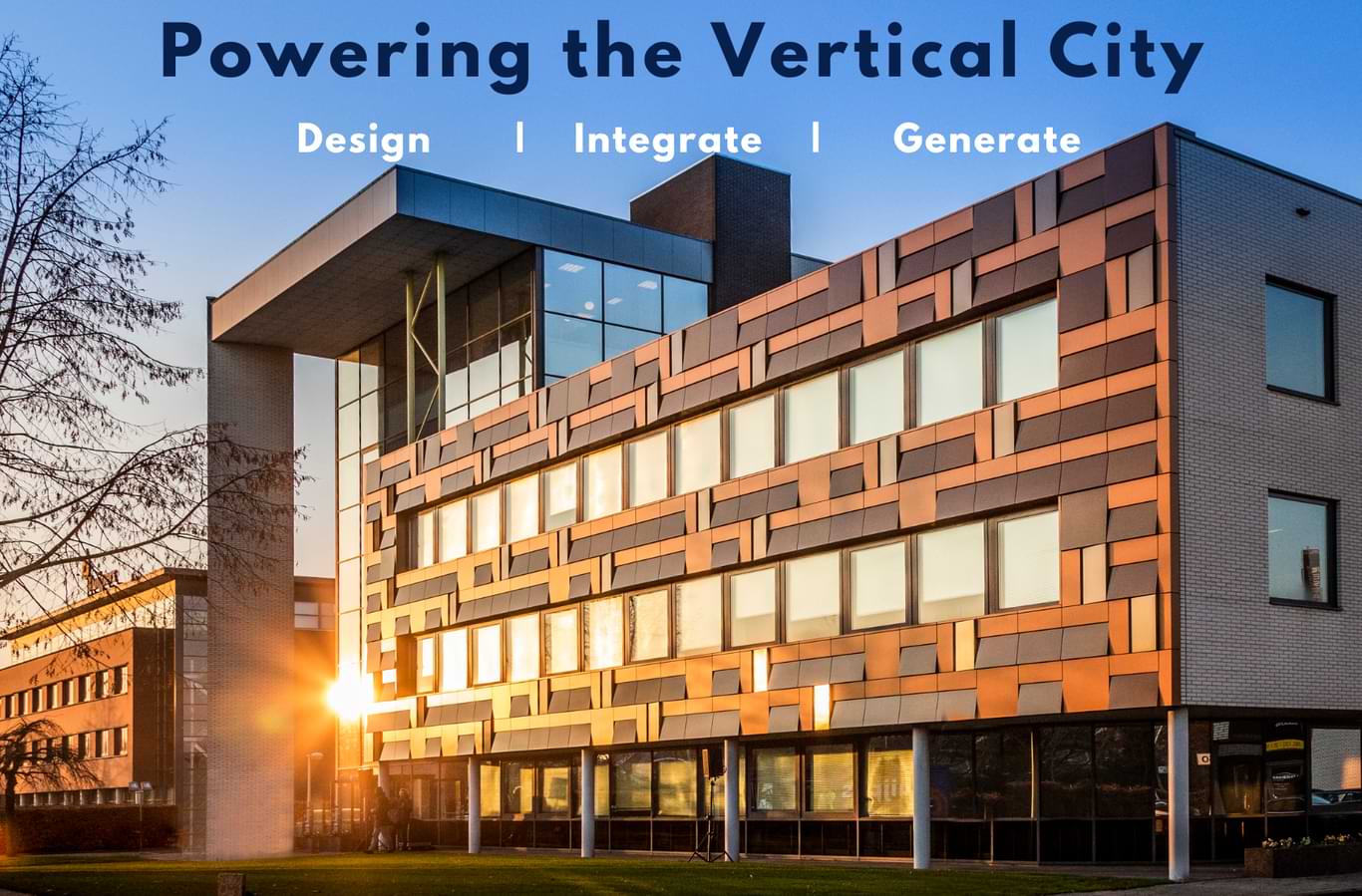
In the global mission toward carbon neutrality, the synergy between architectural design and renewable energy is shaping the future of urban development. At the forefront of this transformation is Building-Integrated Photovoltaics (BIPV) — a pioneering technology that embeds photovoltaic panels into building elements such as rooftops, facades, skylights, and windows. BIPV not only enables decentralized clean power generation but also enhances the aesthetics of modern buildings.
The Global Perspective
Globally, buildings account for nearly one-third of all final energy consumption. By enabling electricity generation at the point of consumption, BIPV significantly reduces a building’s carbon footprint. According to market projections, the global BIPV market is expected to reach $86.7 billion by 2030, growing at a CAGR of over 20%.
Leading the charge are countries like Germany, the Netherlands, the U.S., and China, where policy support for net-zero buildings and innovation in solar materials is robust. Transparent solar glass, colored PV panels, and modular BIPV systems are enabling architects to fuse energy efficiency with artistic expression. Legislative frameworks like the EU’s Building Energy Performance Directive and Directive on Renewable Energy are reinforcing this shift.
India’s Emerging Opportunity
India, with its ambitious target of 280 GW of solar capacity by 2030, is now exploring the vast potential of BIPV, especially in high-density urban zones. As cities like Bengaluru, Delhi, and Mumbai experience vertical growth, facade-integrated PV offers a unique solution: dual utility in power generation and passive thermal control.
While still in a nascent stage, BIPV in India is gaining traction through smart city initiatives, green building certifications, and CSR-led innovation hubs. However, challenges remain, including high upfront costs, lack of standardized codes, limited awareness, and the need for skilled professionals in design and execution.
Advantages of BIPV
- Efficient Land Use: Integrates solar generation without using extra land.
- Architectural Appeal: Custom-colored panels and seamless facades enhance visual aesthetics.
- Energy Savings: Supports near-zero energy building goals.
- Reduced Transmission Losses: On-site generation minimizes grid dependency.
- Thermal and Acoustic Insulation: Enhances building performance.
Challenges and Technological Developments
One of the key barriers to BIPV adoption is the lack of standardization and long-term performance validation. Tools like Building Information Modelling (BIM) are underutilized, and integration with smart grids remains limited. Aesthetic flexibility is also a concern, as architects seek custom-colored panels that align with urban design norms.
Coloured PV technologies, while promising, face hurdles in power output, material degradation, and cost. Innovations such as digital ceramic printed (DCP) glasses, colored foils, and advanced coatings are evolving to meet these demands, but they must also comply with stringent international safety norms like IEC 63092-1 and EN 135011:2018.
Skills, Safety, and Sustainability
As BIPV scales, there is an urgent need for expertise in solar design integration, material science, electrical safety, and sustainable construction. Skill development programs and cross-disciplinary education can bridge this gap.
Safety standards are critical, especially for inhabited buildings. Fire resistance, impact durability, and electrical insulation are mandatory attributes, reinforcing the importance of certified BIPV systems.
The Road Ahead
BIPV is not just about clean energy; it’s about redefining architecture for a sustainable future. With falling solar costs, increased R&D, and growing awareness, India stands at the threshold of a BIPV revolution. By transforming every urban structure into a power generator, BIPV can help address energy equity, reduce land-use conflicts, and beautify our cities.
Let us envision a future where buildings don’t just consume energy—they create it.